OpenAI to Terminate Model Access to Cursor
OpenAI ends access for its models to Cursor following SpaceX acquisition, citing concerns over compliance with terms.
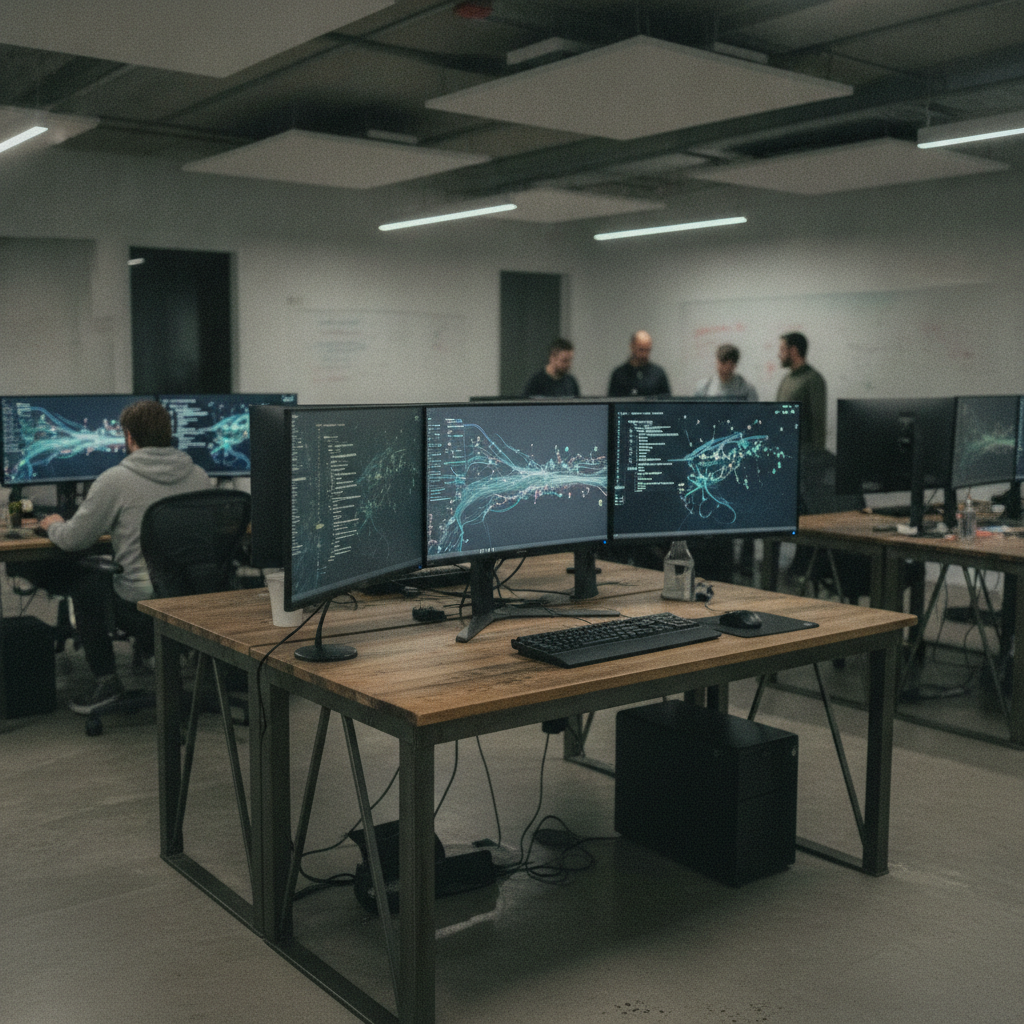
OpenAI announced on 29 August 2026 that it plans to end its contractual agreement to supply models to Cursor, effective 12 November 2026. This decision follows the acquisition of Cursor by Elon Musk's SpaceX, completed on 14 August 2026. OpenAI cited concerns over compliance with its terms, based on past disputes with Musk's companies. According to Michael Truell, CEO of Cursor, OpenAI models account for about 5% of Cursor's user traffic. Discussions are ongoing between Cursor and OpenAI regarding the decision.
Background and Context
SpaceX’s recent acquisition of Cursor is part of a series of expansions by Elon Musk’s companies. Cursor, an AI coding startup, was acquired for $60 billion. SpaceX's acquisition included other tech entities, signaling its growing influence in the tech sector. The acquisition and ensuing decision to terminate model access illustrate ongoing tensions between Musk and OpenAI. Musk's history with OpenAI includes co-founding the company and later departing the board in 2018 following disagreements.
Why it Matters
The decision to end model access could influence the rapidly expanding AI-assisted coding market, a sector experiencing intense competition. Cutting off model access to Cursor could affect its service offering, which relies partially on OpenAI's technology. The conflict between OpenAI and Musk is emblematic of broader strategic and ethical disagreements in the AI industry. For OpenAI, maintaining control over its technology and ensuring compliance with its terms is essential as it prepares for a potential IPO next year.
What to Watch Next
As OpenAI and SpaceX continue discussions, the outcome could set a precedent for future dealings between major tech entities over AI model use. The market will be watching how Cursor adapts to the loss of OpenAI models and whether alternative solutions are implemented. Concurrently, Musk's response and further legal actions against OpenAI could also shape the discourse around IP rights and company conversions in the tech industry. Observers will be keen to see if other AI firms will be drawn into similar disputes as AI technology and its applications grow.
OpenAI's path toward a public offering and the potential entry of rivals like Anthropic into the public market add layers of competition and innovation pressure within the AI sector. These dynamics and the ongoing legal battles between former allies Musk and OpenAI executives highlight the combustible mixture of innovation, competition, and legal conflict that defines the current AI market landscape.